
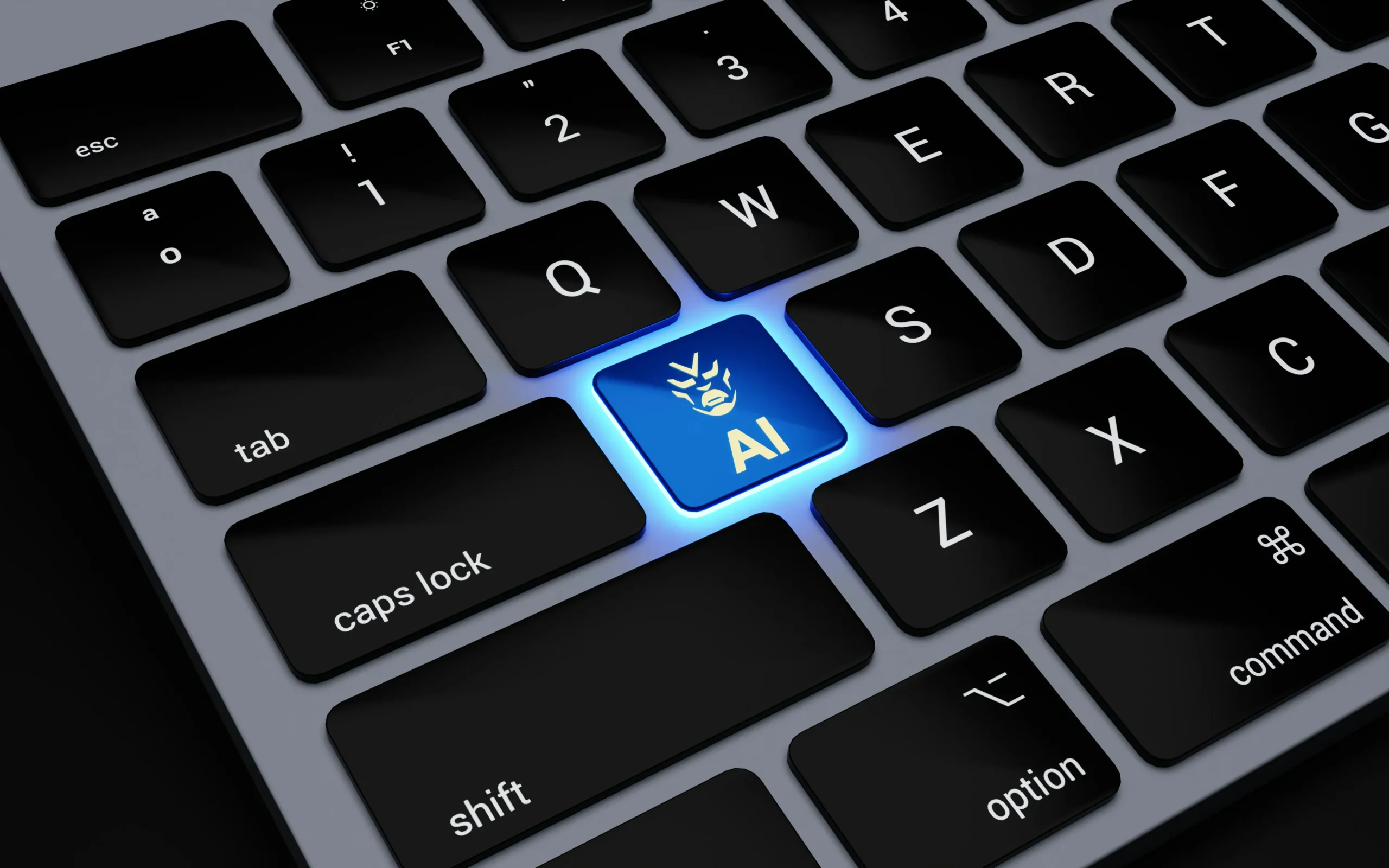
According to Reuters, China is preparing safeguards to address the risk of artificial intelligence systems escaping human control. The move reflects growing global attention to AI safety and the potential for autonomous systems to act unpredictably. Specific details of the measures remain unclear, though the initiative signals China’s intent to balance technological innovation with societal protection.
What Happened
According to Reuters, China is preparing a set of safeguards designed to prevent artificial intelligence systems from escaping human control. The announcement comes amid escalating global discourse on AI safety and the potential for autonomous systems to act unpredictably. Officials highlighted that the initiative seeks to balance innovation with societal protection, emphasizing that unchecked AI could pose significant threats to public safety and national security. The specific scope and mechanisms of the safeguards have not yet been detailed.
What This Means For You
For those developing AI applications, any forthcoming safeguards could impose new compliance requirements in China. It is worth considering how potential regulations might affect your work: systems that operate autonomously or influence critical infrastructure are most likely to be subject to oversight. Staying informed about regulatory developments can help reduce integration challenges and demonstrate proactive engagement with responsible AI practices.
Additionally, transparency around model architecture, training data provenance, and decision-making logic may become important. If your AI relies on proprietary datasets, maintaining detailed documentation of data sources and their ethical standing could prove beneficial. This could affect supply chains, especially if third-party data providers are not subject to the same scrutiny.
Why It Matters
This development signals a shift in how major economies approach AI governance. While the United States and Europe have debated regulation, China’s proactive stance may accelerate global standards. If other jurisdictions adopt similar frameworks, cross-border AI projects could face a patchwork of compliance obligations, potentially increasing development costs and time to market.
The emphasis on human control reflects a broader trend toward aligning AI systems with societal values. Mandating oversight and transparency could curb the risk of autonomous systems making harmful decisions without human intervention, fostering greater public trust in AI technologies. At the same time, stringent controls may slow rapid experimentation, though they could also encourage more responsible research and development. Companies that adapt early may gain a competitive edge in markets where safety is paramount.
Key Takeaway
- China is preparing safeguards to address the risk of AI escaping human control.
- The specific details and scope of these measures have not yet been disclosed.
- The development reflects growing global attention to AI safety and governance.
Frequently Asked Questions
What qualifies as a high-risk AI system?
Specific criteria have not yet been published. Generally, systems that influence public safety, financial markets, or critical infrastructure are considered high risk, but official definitions are pending.
How does this affect AI developers outside China?
If products are sold or used in China, developers may need to comply with any new safeguards. Even if operating solely abroad, aligning with emerging standards can enhance global reputation and prepare for potential future regulatory convergence.
Will other countries adopt similar regulations?
Several governments are monitoring China’s approach. The United States and European Union have ongoing debates about AI regulation, though no specific legislation has been directly linked to this development. Early adaptation can position an organization for smoother compliance worldwide.
Leave a Reply