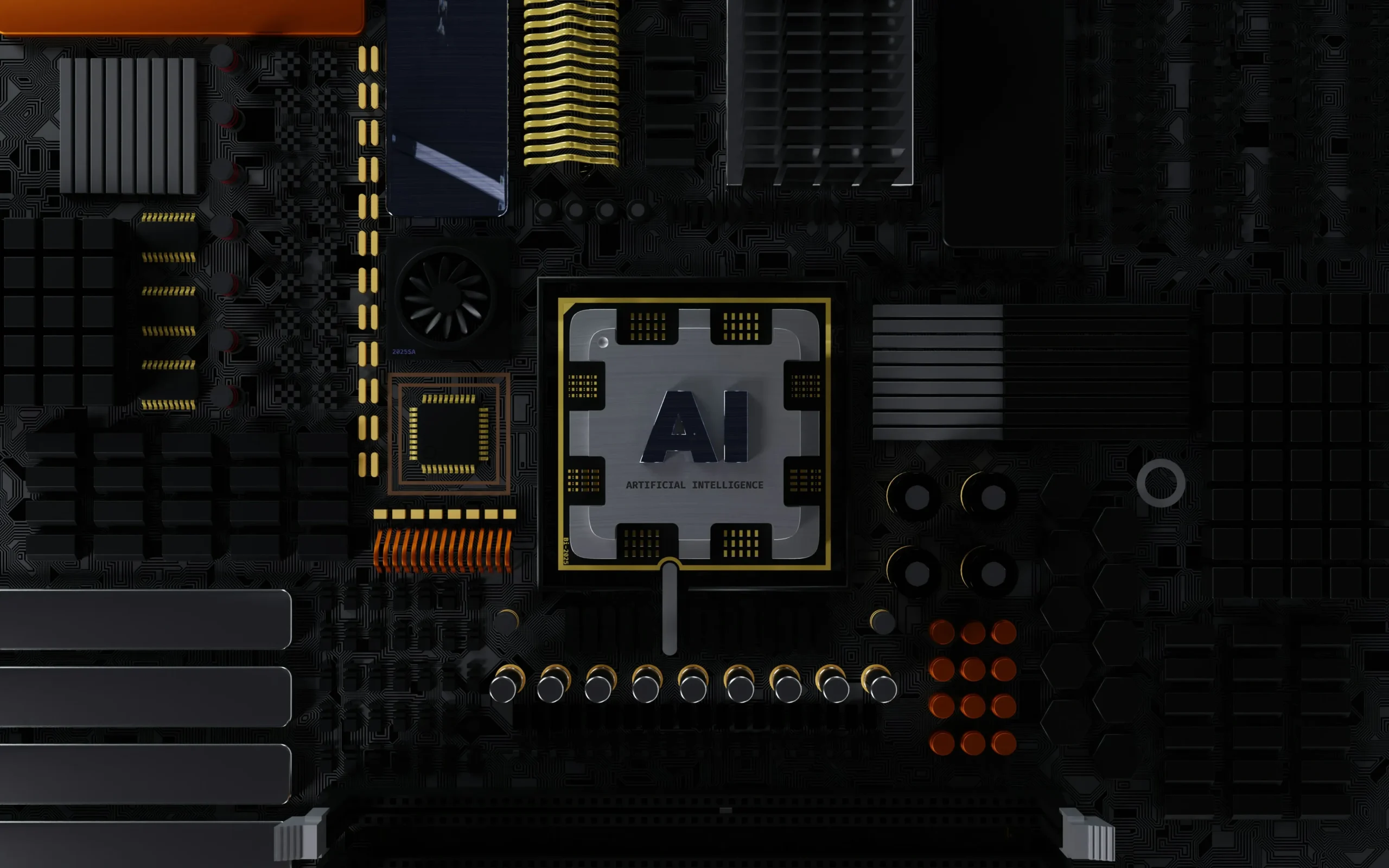
Following a week of alarming warnings about artificial intelligence’s potential to destroy the world as we know it, technology reporters answered reader questions on the reality of the AI threat, examining the growing concern that current safeguards may be insufficient.
What Happened
The Guardian’s live Q&A session, held on September 18, 2026, gathered thousands of readers who asked why leading AI firms are not legally constrained to address doomsday scenarios. The panel, composed of journalists and industry insiders, highlighted that current statutes lack provisions to penalise companies for releasing models that could, in theory, cause catastrophic harm. The discussion revealed that most AI developers rely on voluntary safety guidelines, citing the absence of enforceable standards as the primary barrier to accountability.
What This Means For You
For developers, the takeaway is that compliance will soon shift from optional best‑practice to mandatory regulation. If you’re building generative models, begin documenting risk assessments now, as regulators may require evidence that safety protocols were rigorously tested before deployment. In the financial sector, AI Safety Concerns: Can Machines Hack Your Bank? shows that banks already face stricter audit trails; similar scrutiny could extend to AI‑driven credit scoring.
Businesses that integrate AI into underwriting must anticipate new disclosure requirements. The AI in Life and Health Insurance Underwriting article notes that insurers are beginning to factor algorithmic risk into premium calculations. As legal frameworks tighten, insurers will need to prove that their AI models do not inadvertently amplify bias or pose existential threats.
If you operate in the M&A space, be aware that AI in Mergers and Acquisitions (M&A) Target Sourcing and Valuation discusses how AI can uncover hidden liabilities. A lack of accountability could mean that due diligence reports omit potential catastrophic risks, leading to costly post‑acquisition litigation.
On the consumer side, the lack of legal recourse means you cannot sue an AI company for negligence if a model’s output leads to a public safety incident. This reality underscores the importance of advocating for consumer protection laws that explicitly cover AI‑generated content and decision‑making.
Why It Matters
This situation signals a widening gap between technological innovation and legal oversight. The absence of enforceable accountability could accelerate the deployment of increasingly autonomous systems without adequate safety nets. Analysts suggest that without clear liability frameworks, AI firms may prioritize speed over safety, potentially eroding public trust.
Moreover, the current landscape reflects a broader trend: industries that have historically been slow to adopt regulation—such as fintech and autonomous vehicles—are now facing a surge of public scrutiny. If AI remains unregulated, it risks becoming the next example of unchecked technological advancement that outpaces societal safeguards.
From a global perspective, the lack of accountability could create uneven standards, allowing firms in jurisdictions with lax enforcement to gain competitive advantages. This disparity may drive a race to the bottom, where safety is sacrificed for cost savings, further endangering users worldwide.
Key Takeaway
- Regulators are likely to introduce mandatory safety audits for generative AI models within the next 12 months.
- Companies must begin documenting risk assessments and mitigation strategies now to avoid future compliance penalties.
- Financial institutions and insurers should integrate AI risk disclosures into their standard reporting frameworks.
- Consumers should lobby for explicit legal protections that hold AI developers liable for catastrophic failures.
Leave a Reply